
10 Things to Know Before Buying Snowboard Gear
Buying snowboard gear can be exciting, but it can also get expensive quickly. With so many different snowboards, boots, bindings, and clothing options available, knowing what to prioritize can save you hundreds of dollars and make a huge difference in your experience on the mountain.
Whether you're buying your first snowboard setup or upgrading your current gear, here are 10 important things to consider before spending your money.
1. Snowboard: Choose the Right Type

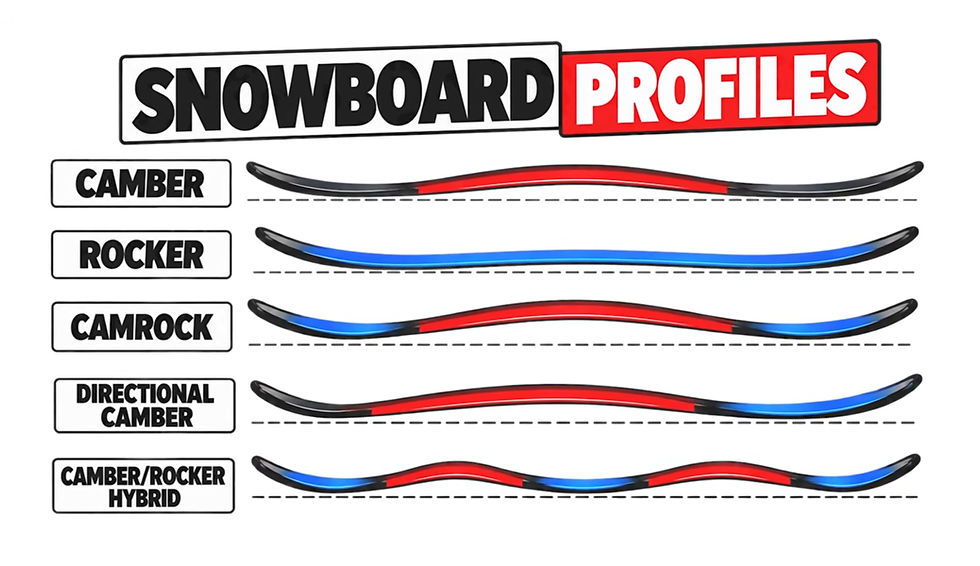
The most important thing when buying a snowboard is choosing the right type for your riding style. Different boards are designed for different terrain, and choosing the wrong one can make progressing more difficult.
Beginners generally benefit from forgiving, easy-to-control boards, while park riders might prefer something playful and flexible. All-mountain boards offer versatility, and powder boards are designed to float in deep snow. Before worrying about brands or graphics, think about where and how you actually ride.
2. Snowboard Boots: Prioritize Comfort
Your boots might be the most important piece of gear you own. Uncomfortable boots can ruin an otherwise perfect day on the mountain.
Every snowboard boot brand fits slightly differently, so finding the right shape for your foot is essential. Try on multiple brands, make sure your heels stay secure, and avoid buying boots that are too large. A comfortable, properly fitted boot will make snowboarding more enjoyable and help you progress.
3. Bindings: Check Compatibility

When choosing bindings, compatibility should be your first priority. Not every binding works with every snowboard or boot.
Check that the mounting system works with your board and that the bindings are the correct size for your boots. A properly matched setup provides better control and helps transfer your movements directly to the snowboard.
4. Snowboard Jacket: Choose a Shell
A good snowboard jacket should protect you from the elements while allowing you to adjust your clothing underneath.
I prefer shell jackets because they're versatile. On warmer days, you can wear a lightweight layer underneath, while colder days allow you to add insulation. Look for good waterproofing, breathability, and enough room to layer comfortably.
5. Snowboard Pants: Get the Right Fit

Fit is one of the most important things to consider when buying snowboard pants. Snowboarding requires a lot of movement, from bending your knees to sitting on chairlifts.
Choose pants that allow you to move freely without feeling restricted. A slightly oversized fit can work well, especially when wearing layers. Bib pants are another great option for extra coverage and keeping snow out.
6. Goggles: Have Multiple Lenses

Mountain weather can change quickly, and having the right goggle lens makes a huge difference in visibility.
A darker lens works well on sunny days, while a lighter lens helps you see terrain when clouds roll in. I recommend goggles with interchangeable lenses so you're prepared for different conditions without needing multiple pairs.
7. Helmet: Find the Perfect Fit
A snowboard helmet needs to fit properly to provide its intended protection. An uncomfortable helmet can also become distracting during a long day.
Try helmets on with your goggles to make sure everything fits together comfortably. Your helmet should feel snug without creating pressure points or moving around excessively. Always prioritize proper fit over appearance.
8. Mittens: Prioritize Warmth

Everyone experiences cold differently, which makes choosing mittens a personal decision.
If your hands get cold easily, thicker insulated mittens can make a huge difference. If you naturally run warm, thinner mittens might be more comfortable. Waterproofing is also important, especially when riding in wet snow or stormy conditions.
9. Base Layers: Focus on Moisture Management
Base layers are designed to help regulate your temperature and keep moisture away from your skin.
Avoid cotton because it absorbs sweat and can leave you feeling cold and damp. Instead, choose synthetic materials or merino wool that wick moisture away. Staying dry underneath your outerwear is one of the best ways to stay comfortable throughout the day.
10. Snowboard Socks: Choose the Right Material

Snowboard socks might seem like a small detail, but they can make a noticeable difference in comfort.
Choose socks made from merino wool or synthetic moisture-wicking materials. These help keep your feet dry and comfortable throughout the day. One good pair of properly fitted snowboard socks is usually better than wearing multiple layers.
Final Thoughts
Buying snowboard gear doesn't have to be complicated. The key is understanding which features matter most for each piece of equipment rather than simply choosing the most expensive option.
Focus on comfort, compatibility, fit, and versatility. Getting these fundamentals right will help you build a snowboard setup that works for your riding style and keeps you comfortable in different mountain conditions.
With the right gear, you can spend less time worrying about your equipment and more time enjoying snowboarding.
My Top Gear Picks
OM Falcon Goggles: https://tinyurl.com/y2ttvsnt — Code: SPC15 (save $$$)
CLEW Independence Bindings: https://www.clew.us
CLEW Altair Snowboard: https://www.clew.us
Vans Hi-Standard Pro Boots: https://alnk.to/btstdZi
Volcom Gore-Tex Jacket: https://alnk.to/eZLCQFJ
Volcom Gore-Tex Pants: https://alnk.to/7MeyDfZ
Crab Grab Mittens: https://alnk.to/6mUuMlU
Dakine Backpack: https://alnk.to/bixIfhB
Blackstrap Facemask: https://alnk.to/28WjeSU
Evo Roller Bag: https://alnk.to/9byCtBV
OM Diamond 2 Helmet: https://tinyurl.com/eh5xf3sj — Code: SPC15 (save $$$)
The links above are affiliate links, which means I may earn a commission at no cost to you.


Comments